

Runge vs. Karnes City: How to Choose the South Texas Small-Town Setting That Fits Your Goals
Choosing Between Runge and Karnes City Starts With the Pace You Want
When two South Texas communities sit within a short drive of one another, the decision is rarely about one place being “better” than the other. It is usually about daily rhythm, property goals, and which setting lines up with the way you want to live or invest. For buyers comparing Runge and Karnes City, the difference often comes down to scale, convenience, housing mix, and how much activity you want close at hand.
Both communities offer a small-town environment with a practical approach to real estate. That can appeal to buyers looking for more land, a simpler commute pattern, or a market outside the pressure of larger metro pricing. At the same time, each town creates a distinct experience once you start looking at streetscapes, local services, and the types of homes that come available. A thoughtful comparison can make the search far more productive.
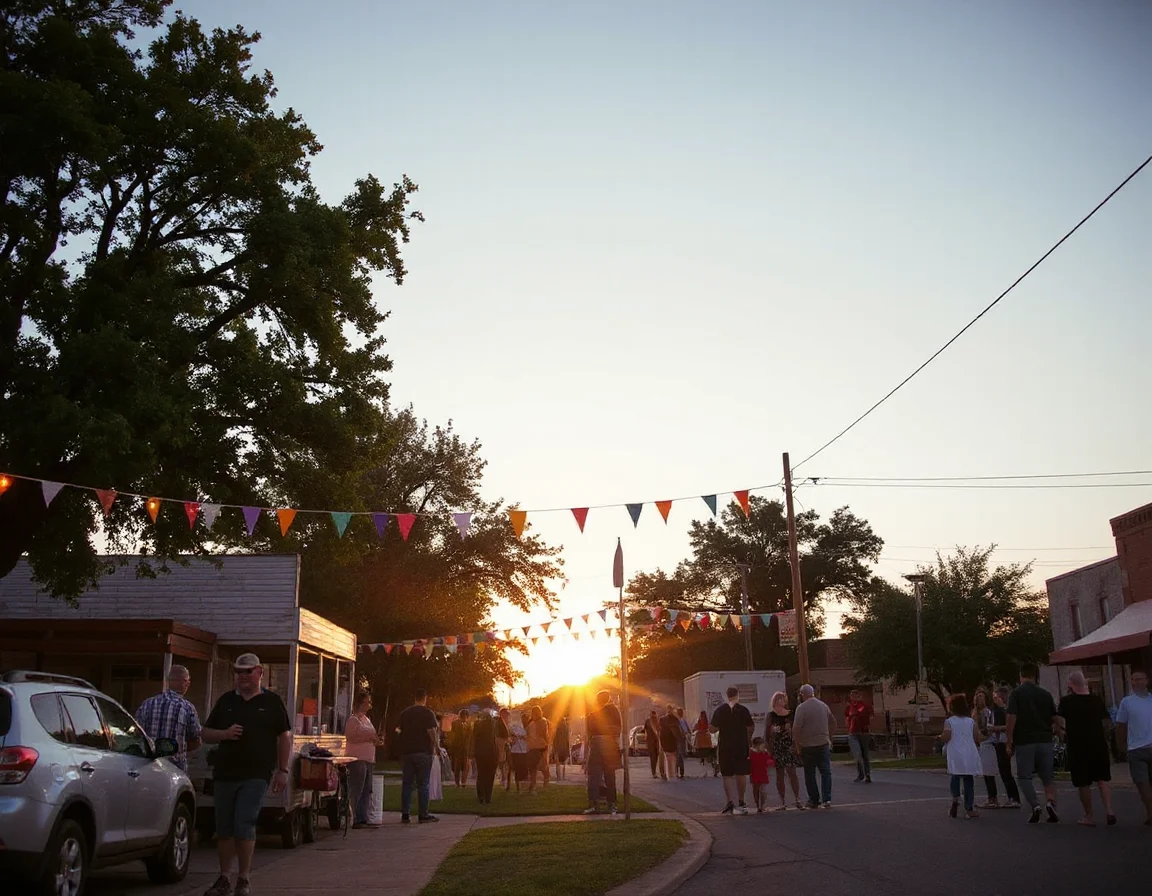
Runge tends to feel quieter and more rural in its day-to-day atmosphere. Buyers who prioritize open surroundings, a modest pace, and a more understated local setting may find that appealing. In practical terms, that can translate to properties with larger lots, fewer nearby commercial nodes, and a sense that errands and recreation are more closely tied to regional driving patterns. If your goal is to step away from constant traffic and embrace a less hurried routine, that character matters.
Karnes City often provides a slightly more active local hub. As the county seat, it typically draws more civic activity and can offer a bit more concentration of services, schools, and everyday destinations. That does not make it urban by any stretch, but it can make life feel more connected for buyers who want easier access to groceries, public services, school events, and local businesses without giving up the advantages of a small-town address.
For many buyers, the most useful question is simple: do you want a setting that leans more toward quiet separation, or one that offers a stronger central-town feel? Neither answer is wrong. The right fit depends on whether your priorities center on privacy, convenience, future resale, or the type of property inventory you expect to see during your search.
What To Compare in the Housing Stock
Housing inventory in small-town South Texas can vary block by block, so broad assumptions are rarely enough. In both Runge and Karnes City, buyers may encounter older single-family homes, ranch-style properties, updated residences on generous lots, and parcels with room for outbuildings or future improvements. The details matter: roof age, foundation condition, utility access, flood-zone considerations, road frontage, and how much deferred maintenance is attached to the asking price.
Runge can attract attention from buyers who want a little more elbow room or who are comfortable evaluating homes where land value plays a bigger role in the decision. In that setting, it is wise to look beyond the square footage and study the entire property footprint. Fencing, drainage, access roads, mature trees, and detached structures can all influence long-term usefulness and overall ownership cost.
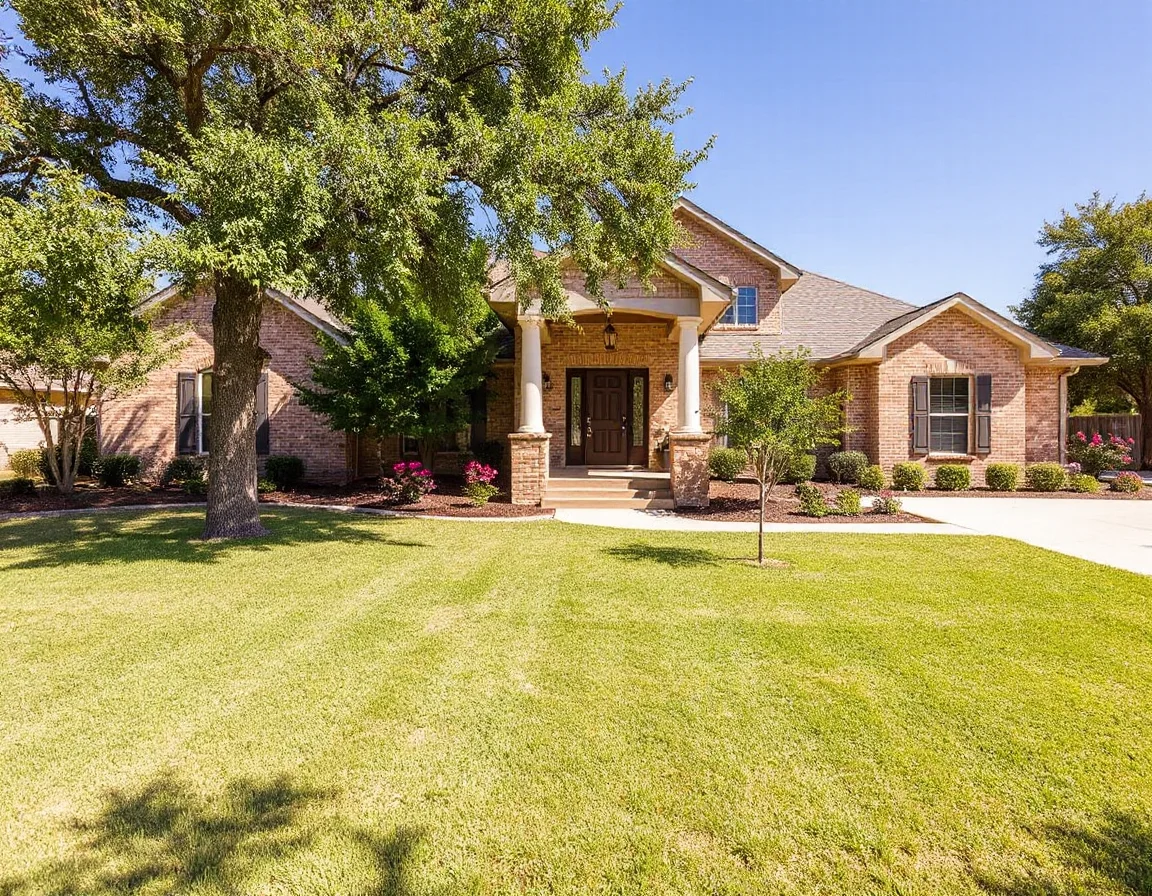
Karnes City may offer a broader mix for buyers focused on convenience and comparability. Because activity is somewhat more concentrated, some shoppers prefer the ability to evaluate homes with quicker access to schools, local employers, and day-to-day necessities. That can be especially helpful when resale planning is part of the purchase decision, since proximity to town services often remains a factor future buyers also weigh carefully.
If you are buying as an investor, the comparison becomes even more specific. You will want to measure acquisition cost, repair scope, tenant demand patterns if applicable, and the likely exit strategy. A lower-priced property is not automatically the stronger opportunity if renovation needs are extensive or if the holding timeline becomes longer than expected. In a market like this, local guidance and careful due diligence can make the difference between a promising deal and a costly surprise.
The best approach is to compare real properties, not just town names. Two homes at similar price points may deliver very different value depending on lot size, updates, location inside the community, and long-term maintenance expectations.
Amenities, Recreation, and Everyday Convenience
Small-town living is often defined by the routines between home and everything else. That means your choice should include more than the house itself. Think about where you will get groceries, how often you drive for services, what kind of local events you enjoy, and how important it is to have parks, school facilities, or civic destinations nearby. In this comparison, Karnes City may feel more convenient to buyers who want more activity clustered in one place, while Runge may appeal to those who are comfortable planning around a quieter local service pattern.
South Texas buyers also tend to pay close attention to road access and regional mobility. If you commute regularly to surrounding areas or expect to travel often for work, medical appointments, or business operations, your map matters. A town that feels right emotionally should still work logistically. Commute time, fuel costs, highway access, and the ease of reaching nearby employment centers can all shape whether a property remains a strong fit over time.
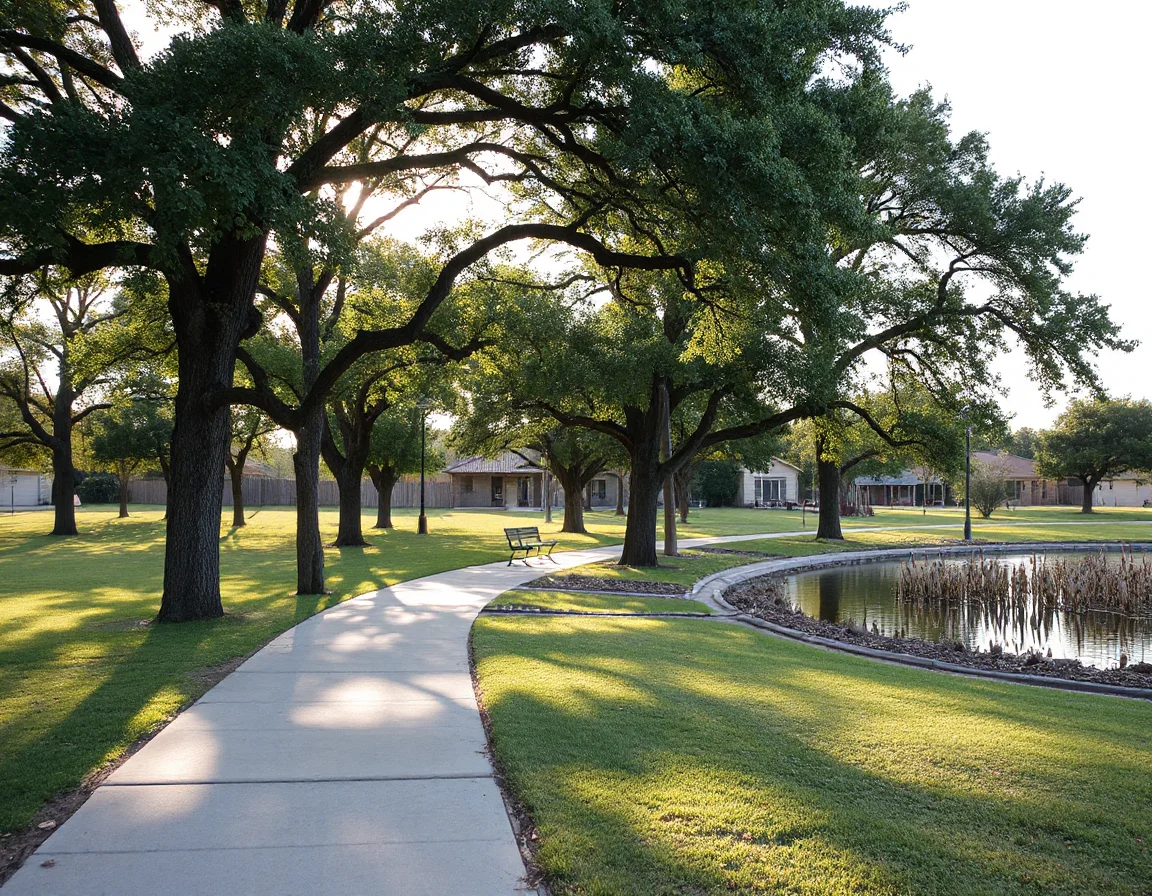
Recreation is another subtle but important factor. Some buyers are searching for outdoor space at home, while others want nearby places to walk, gather, or spend time outside. In this part of Texas, the appeal often comes from practical enjoyment rather than flashy entertainment: open skies, community events, local parks, and the flexibility that comes with a smaller-town environment. Those details can shape how satisfied you feel after the move, even if they did not dominate your checklist at the start.
School considerations may also enter the conversation for buyers evaluating long-term ownership, even when the immediate need is different. Proximity to schools, school-related traffic patterns, and nearby public facilities can all influence convenience, marketability, and neighborhood activity. The key is to review objective location details and how they fit your routine rather than relying on assumptions.
How To Match the Town to Your Real Estate Goals
If your top priority is space, quiet, and a more rural feel, Runge may deserve a close look. If your priority is easier access to central services and a somewhat more active local core, Karnes City may rise to the top. Buyers focused on owner-occupant living, future resale, or investment potential should all filter the comparison through the same lens: what will make this property work well not just at closing, but over the next several years?
That is where a grounded, local-market approach becomes valuable. Guti Realty, PLLC works with buyers, sellers, and investors who need clear comparisons rather than generic advice. In a small-town search, the smartest move is often narrowing your options based on commute patterns, property condition, lot utility, and local inventory trends. Once those pieces are clear, the choice between Runge and Karnes City becomes less abstract and much more actionable.
In the end, both communities offer a version of South Texas living that can be rewarding for the right buyer. The goal is not to choose the town with the loudest reputation. It is to choose the setting that supports your budget, your timeline, and the way you want real estate to function in your life. When you compare them that way, the right answer usually becomes easier to see.