

7 San Antonio Buying Moves That Beat Sticker Shock
7 San Antonio Buying Moves That Beat Sticker Shock
Home prices, insurance costs, interest rates, and competition can make the buying process feel like a moving target. In San Antonio, though, sticker shock does not have to end the conversation. With a clear strategy, local market knowledge, and a willingness to compare options block by block, buyers can often find more value than the headline numbers suggest.
The key is to shop smarter, not just cheaper. That means looking beyond list price and paying close attention to monthly cost, location tradeoffs, property condition, and timing. San Antonio offers a wide mix of housing types, from established neighborhoods with mature trees to newer communities with modern layouts, so buyers who stay flexible often uncover opportunities that are easy to miss on a fast scroll through listings.
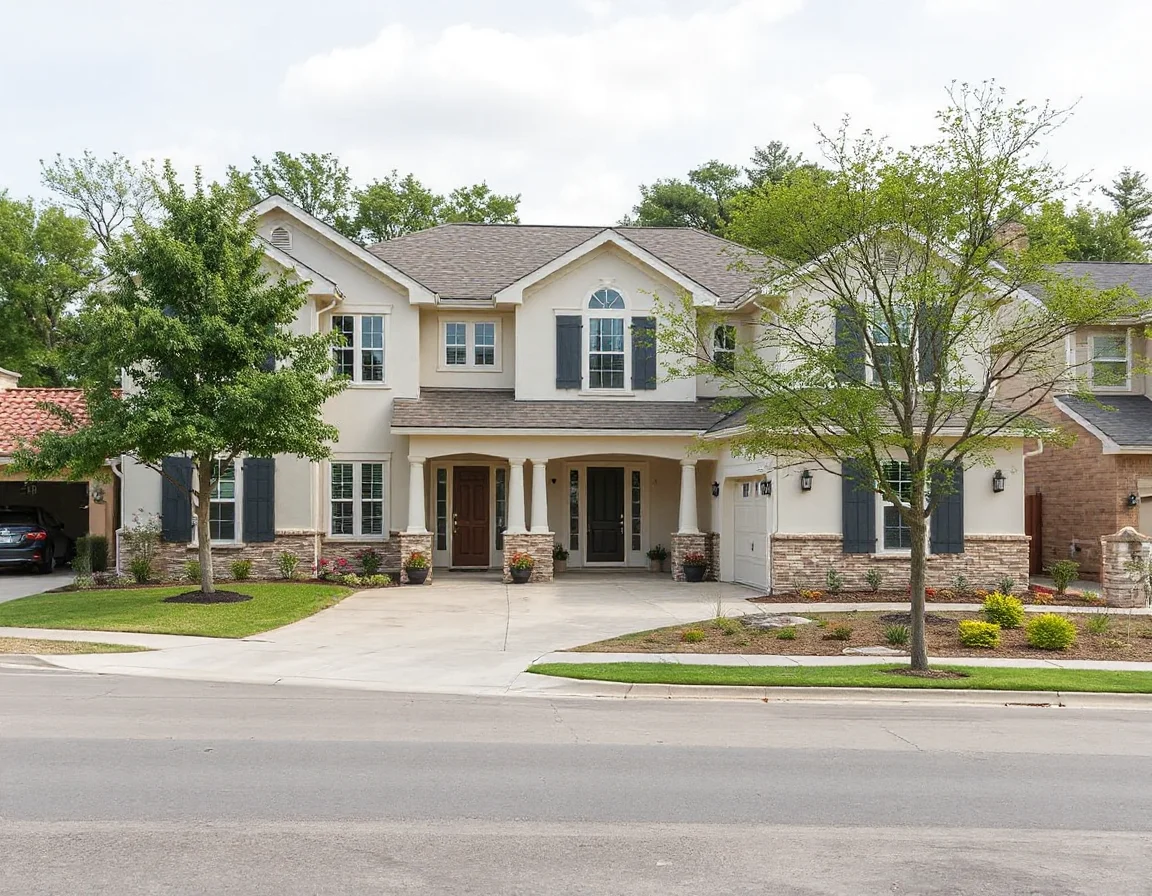
Move No. 1: focus on payment range before price range. Two homes with similar list prices can create very different monthly budgets depending on taxes, HOA dues, insurance, and financing structure. In San Antonio, where property tax impact can be significant, a buyer who starts with an all-in monthly target is usually in a stronger position than someone who shops only by purchase price. This approach also helps narrow searches quickly and keeps expectations grounded when rates shift.
Move No. 2: widen the map without losing the lifestyle you want. Some buyers start with one specific ZIP code and then feel boxed in by pricing. A better move is to identify the amenities and commute patterns that matter most: access to major roads, nearby parks, grocery options, medical centers, entertainment districts, or newer construction. From there, compare several areas across the city. A modest drive-time adjustment can open up more square footage, a larger lot, or a better renovation profile without sacrificing convenience.
Move No. 3: compare move-in-ready homes with cosmetic fixer opportunities. Not every buyer wants a renovation project, but many properties need only light updates like paint, fixtures, flooring, or landscaping. Those homes may attract fewer offers than highly polished listings, which can improve negotiating room. The trick is knowing the difference between cosmetic work and expensive repairs. Roof age, HVAC condition, foundation concerns, and plumbing issues matter far more than outdated countertops. Buyers who evaluate condition carefully can avoid overpaying for surface-level finishes.
Local knowledge can uncover value that list photos miss
San Antonio is not a one-note market. Different parts of the city offer different rhythms, from central neighborhoods with historic character to outer-ring communities with newer homes, planned amenities, and larger footprints. Proximity to employers, higher education, military installations, retail corridors, and recreation can all influence demand and pricing. Understanding how those factors play together helps buyers decide where they can compromise and where they should hold firm.
Move No. 4: watch days on market and price reductions closely. Fresh listings often get the most attention, but homes that have been available a little longer may deserve a second look. Sometimes the issue is presentation, timing, or a price that started too high rather than a flaw in the property itself. A listing with a recent adjustment can signal an owner who is more open to negotiation on price, closing costs, or repair credits. In a market with mixed inventory conditions, patience can be a financial advantage.

Move No. 5: ask for seller concessions when the numbers support it. Sticker shock is not always solved by dropping the price alone. In many transactions, the stronger win is negotiating help with closing costs, a rate buydown, or credits for identified repairs. These concessions can reduce upfront cash needs or improve monthly affordability. Buyers should evaluate what creates the most meaningful benefit over the first few years of ownership rather than focusing only on the sale price headline.
Move No. 6: study new construction incentives, but compare them carefully. Builders in and around San Antonio sometimes offer financing incentives, upgrade packages, or lot premiums that change the value equation. Those offers can be useful, but they should be measured against resale options with similar commuting access, lot size, tax structure, and monthly costs. A shiny model home can be compelling, yet the smartest comparison is always the total ownership picture. Incentives matter most when they align with long-term affordability, not just first impressions.
San Antonio also rewards buyers who pay attention to everyday livability. Trail systems, green spaces, cultural destinations, sports venues, and a growing dining scene contribute to the city’s appeal, but convenience is often neighborhood specific. The best purchase is usually the one that balances budget with practical routines: getting to work efficiently, running errands without hassle, and enjoying the features of the home itself. That kind of value tends to age well, even as the market changes.
A smart offer is built before the contract is written
Move No. 7: prepare financing, inspection strategy, and decision criteria early. Buyers often lose leverage when they are still sorting out basics after finding a home they like. A strong pre-approval, a clear understanding of cash-to-close, and a plan for inspection responses can make a major difference. It also helps to decide in advance what matters most: lot size, school proximity, layout, garage space, office potential, or renovation tolerance. When those priorities are clear, it becomes easier to act confidently and avoid overbidding on features that do not truly fit your goals.
Another way to beat sticker shock is to think in terms of usable value. An extra bedroom may sound appealing, but an efficient floor plan, covered patio, flexible living area, or better storage can be more meaningful in daily life. Likewise, a smaller home in better condition may outperform a larger home that requires immediate capital outlays. Buyers who rank usefulness over square-foot bragging rights often make steadier decisions and feel better about the purchase after closing.
For people exploring San Antonio real estate, the market can feel broad and fast-moving at the same time. That is exactly why a local, broker-led perspective matters. Guti Realty, PLLC works in the San Antonio market with a practical view of how buyers, sellers, and investors can navigate changing conditions. Whether the goal is a first purchase, a move-up home, or an investment-focused decision, the process gets easier when strategy leads the search instead of emotion alone.
Sticker shock may grab attention, but it does not tell the whole story. The buyers who come out ahead are usually the ones who define their budget clearly, compare areas thoughtfully, evaluate condition realistically, and negotiate where it counts. In a city with as many housing options and neighborhood patterns as San Antonio, those moves can turn an overwhelming search into a smart, confident purchase.